Medicinal Plants Garden Visit by 47th Batch Students – Department of Pharmacy, Bangladesh University
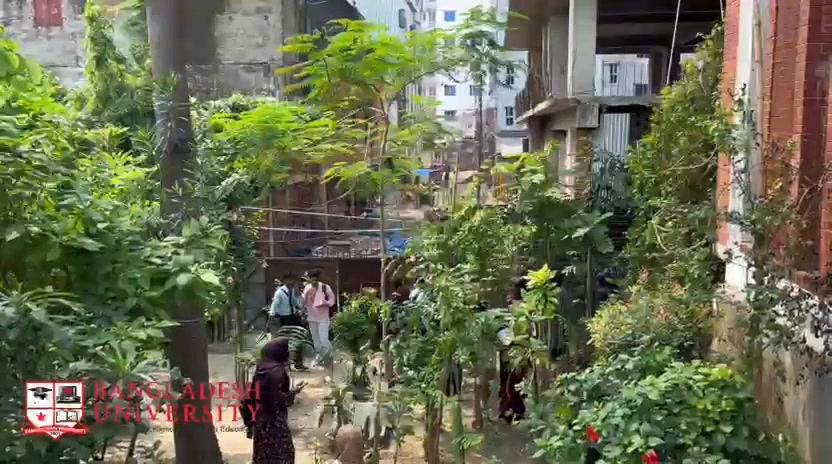
The new students of the 47th batch of the Department of Pharmacy, Bangladesh University, visited the Medicinal Plant Garden in order to get basic knowledge about pharmacognosy and drugs obtained from natural products.
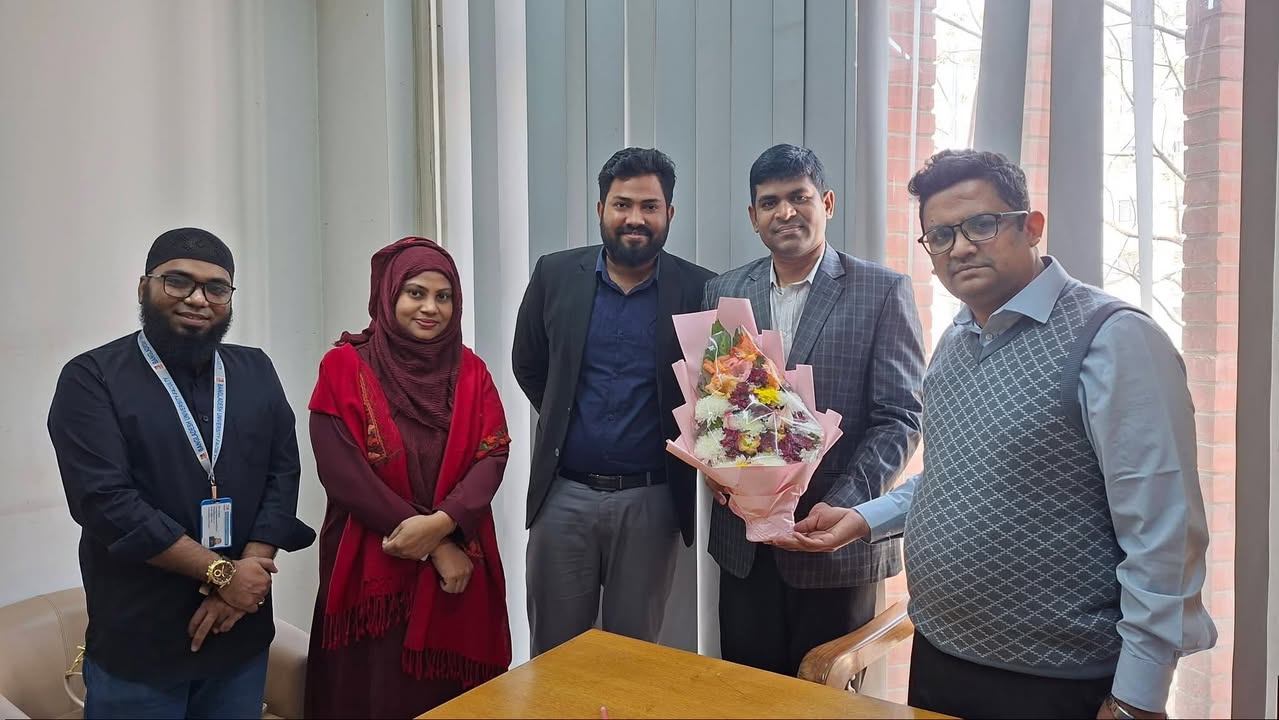
It was arranged by the Department of Pharmacy for exposing their students to a great variety of plants and their importance in health care systems all around the world. The program was conducted under the supervision of the Head of the Department, Prof. Abul Kalam Azad, along with several renowned faculty members who guided them actively during the process.
In the visit, several faculty members offered detailed explanations regarding the identification, description, pharmacological importance, and uses of different types of medicinal plants that can play a great role in developing new medicines.
Medicinal plants are playing an important role in the health care system being the ingredients of traditional medicines for thousands of years. Some rare and endangered medicinal plants are also conserved in this garden. In the coming future, the Department of Pharmacy of Bangladesh University would aim at gathering more rare, endangered medicinal plants and also global medicinal plants conservation accordingly.
The motto of the Department of Pharmacy will be not only the cultivation and conservation of the medicinal plants but to enlighten people, especially the students and staff members of Bangladesh University and secondary level schools.
Medicinal plant gardens are the best options where one can conserve medicinal plants along with traditional information and make collaborations among the local communities, academicians, researchers, students and pharmacists.
Medicinal plant diversity conservation is an important activity of conservation as well as protects ecosystems from over exploitation (SDG 15:Life on Land). Medicinal plants are the valuable resources in relation to health care, culture and biodiversity. Being connected with the SDGs (3,4,12,15) and backed up by an international organization such as UNESCO, it opens doors to many sustainable development initiatives. For developing nations like Bangladesh, conservation and scientific validation of these medicinal plants could transform these resources into powerful tools for public health, innovation, and economic growth.
ALL